
Why Modern Connection Feels Broken
We live in the most connected era in human history. You can message anyone on the planet instantly, video call across continents, and join communities of thousands of people who share your exact interests. And yet — by almost every measure — people have never felt more alone.
Loneliness has become a global public health crisis. The US Surgeon General declared it an epidemic. Studies in the UK, Australia, and across Europe show the same pattern: the rise of social media and digital communication has coincided — not with deeper connection — but with a dramatic increase in reported loneliness, anxiety, and social isolation.
So what went wrong?
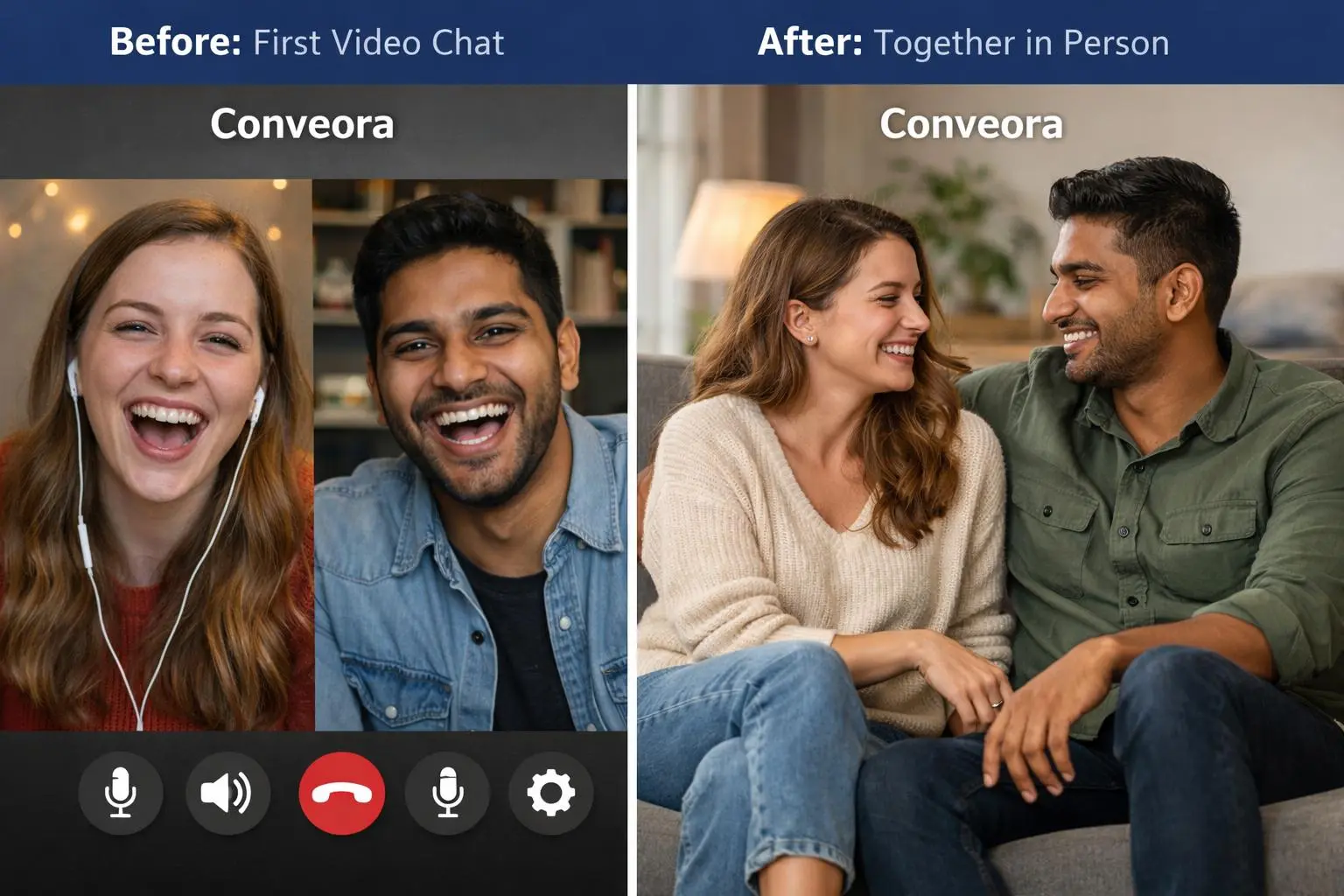
The Architecture of Disconnection
The platforms that dominate modern social life — Instagram, TikTok, Twitter, Facebook, Snapchat — were not designed to deepen human relationships. They were designed to maximize engagement: time on app, clicks, shares, dopamine hits. The business model depends on you staying on the platform, not on you actually connecting with another person.
This created an architecture of disconnection. You scroll past hundreds of faces without speaking to a single one. You consume curated highlight reels of other people's lives — carefully staged images of happiness that make you feel like everyone else has it figured out except you. The comparison is relentless. The interaction is shallow. The outcome is isolation.
Dating apps compounded this with their own mechanics. Swipe right. Match. Never message. Or message, chat for a week, then ghost. The swipe interface turned people into products to evaluate rather than humans to meet. It created decision fatigue — too many options meaning no commitment to any of them.
“The swipe interface turned people into products to evaluate rather than humans to meet.”
— The structural problem with modern dating apps
Why Text Cannot Replace Presence
Research consistently shows that face-to-face interaction activates parts of the brain that text, voice messages, and even video calls with strangers simply do not. The subtlety of a facial expression, the timing of a laugh, the natural rhythm of a real conversation — these things create the neurological conditions for trust, empathy, and bond formation.
When you reduce human connection to a text thread, you strip away most of what makes connection human. You get a thin, flat representation of a person — their words, but not their warmth. Their messages, but not their presence.
This is why so many people report feeling exhausted by modern dating and social apps. It is not that people do not want connection — they desperately do. It is that the tools we have been given are structurally unsuited for creating it.
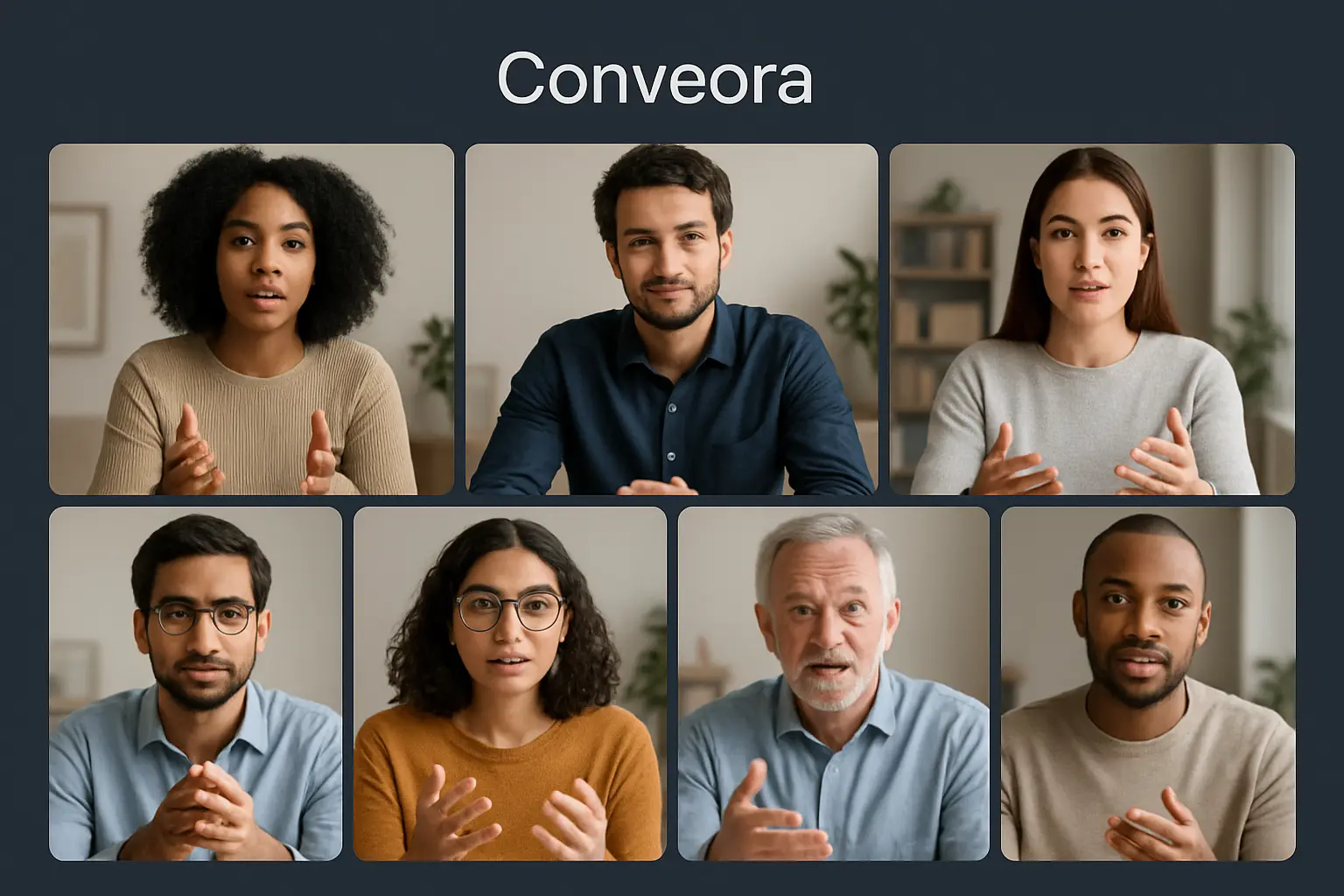
Real face-to-face interaction activates empathy and trust in a way text messages simply cannot.
What Real Connection Actually Requires
Real human connection requires a few things that modern platforms systematically remove:
- Presence. You have to show up — not perform a curated version of yourself, but actually be there, in real time, with another person.
- Reciprocity. Connection requires both people to give something — attention, vulnerability, responsiveness. A scroll or a like does not create this.
- Continuity. Real relationships develop over time through repeated genuine interaction — not a string of messages that peter out after three days.
- Authenticity. You cannot truly connect with someone through a perfectly edited profile picture and rehearsed messages. At some point, you have to just be yourself, in real time.
None of these things happen in a swipe, a message thread, or a scroll. They happen in real conversation — live, face-to-face, in real time.
The Path Forward
The good news is that the problem is structural, not personal. You are not bad at connection. You have been given structurally broken tools for making it.
The path forward is to seek out platforms and spaces that are designed for real interaction — not engagement metrics. Platforms where the goal is a genuine conversation, not a scroll. Spaces where the people you meet are verified, real, and showing up with the same intention as you.
That is what Conveora was built to be: a live human connection platform — a place where real, verified people meet face-to-face in real time to talk, to laugh, to connect. Not to swipe. Not to scroll. To actually be present with another human being.
Ready to experience real connection?
Join Conveora — it's free